
Poovar sits at the far southern tip of Thiruvananthapuram district, roughly 30 km from the city centre and about 35 to 45 minutes by road via Kovalam and the coastal village of Vizhinjam. The nearest airport is Trivandrum International, around 35 km away; the nearest mainline railway station is Thiruvananthapuram Central. There is no town-centre hotel cluster here, so most visitors base themselves either in Kovalam, in Poovar itself, or in the capital and come down for the day. Buses on the Poovar route leave from the East Fort and Thampanoor areas through the morning.
If you self-drive, the last stretch narrows past Vizhinjam harbour, where a large deep-water port project has changed the look of the coast. Parking near the boat jetty is limited and informal. A hired car with a driver for the day is the least fiddly option and is how most families do it. Coming from Thrissur, Malappuram or Palakkad, plan Poovar as the tail of your trip rather than a day-return — the drive from Palakkad alone is five to six hours.
Poovar's appeal is a geography you cannot see from the road: the Neyyar river mouth, a lagoon, and the Arabian Sea running almost parallel, separated by sandbars and coconut palm. Local operators run small motorboats and country boats from the jetty area, and a typical loop of one to two hours takes in the mangrove channels, the golden sandbar, and the point where fresh water meets the sea. Birdlife is decent rather than spectacular — kingfishers, egrets, herons — and best in the early morning.
Rates are quoted per boat, not per person, and vary with boat size and route length, so agree the price and the duration before stepping in. Life jackets should be provided; ask if they are not offered. Sundays and the Onam and Christmas–New Year weeks are the busiest, with queues at the jetty by mid-morning. Go on a weekday, on the first boat after opening, and you will often have the channel nearly to yourself. Skip the middle of the day in April and May — the heat on open water is punishing.
The beach at Poovar is wide and largely undeveloped, with the estuary behind it and fishing hamlets along the shore. Swimming is not straightforward: the currents off this stretch of the Kerala coast are strong and there are no lifeguard posts, so treat the water as a place to walk beside rather than bathe in. Kovalam's Lighthouse Beach, 12 km north, has the facilities if you want a proper beach afternoon. The Poovar–Vizhinjam stretch is also where you feel the edge of the state: the Tamil Nadu border is close, and the road south continues toward Kanyakumari, but keep the day inside Kerala and it stays relaxed.
Skip the packaged 'golden sandbar' photo stop if the tide is high; it disappears and the boats simply circle. Halcyon Castle at Kovalam, a heritage building with a literary history, is worth a look from outside. For lunch, the small restaurants along the Poovar road serve Kerala staples — karimeen, prawns, tapioca — at modest prices; check what is fresh that day rather than ordering from a laminated menu. Carry cash: card acceptance is patchy outside the resorts.
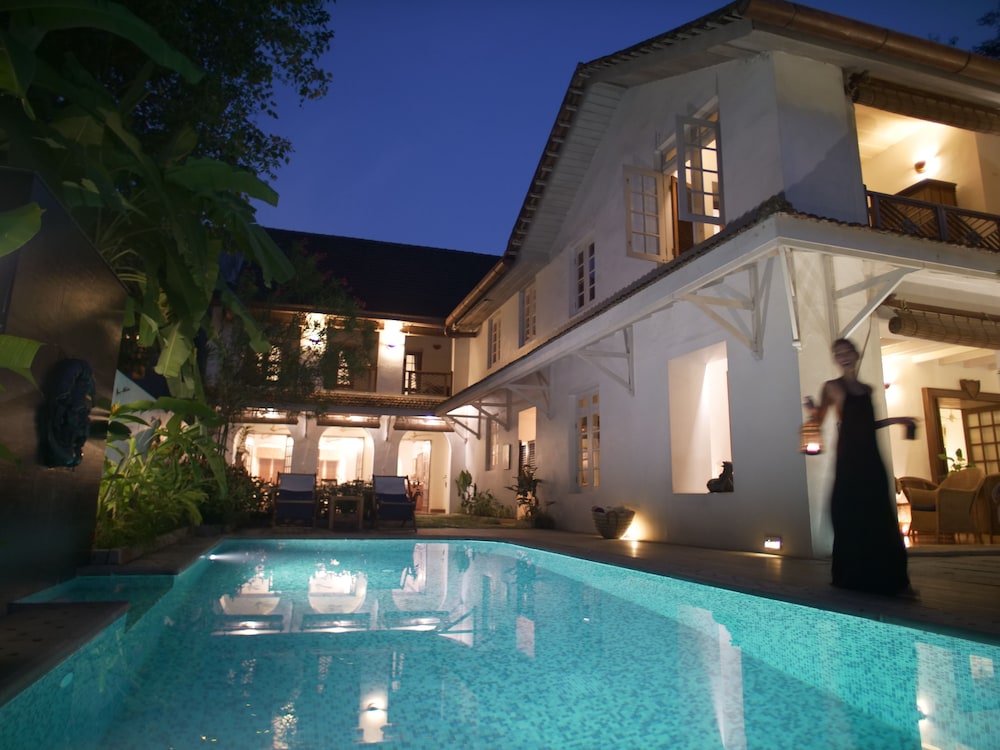
Three sensible bases. First, Poovar itself, for resorts set between the lagoon and the sea — quiet, good for couples and for a first or last night near the airport. Second, Kovalam, 12 km north, which has the widest spread of room types and more evening life. Third, Thiruvananthapuram city, which makes sense if you are combining Poovar with the Padmanabhaswamy Temple, the Napier Museum and the zoo. Given how much search demand we see for Thiruvananthapuram, most travellers are already planning the capital; Poovar works best as a two-night add-on rather than a separate stop.
On timing, November to February is the comfortable window — dry, warm rather than hot, and good for boat trips. March heats up; the southwest monsoon from June to August brings rough seas and many boat operators suspend trips; the northeast monsoon in October and November is short but can be wet. If you are booking, I would choose a Poovar resort for two nights in December or January, use it to decompress after a backwater or hill-station leg, and keep the capital for the temple and museum day. Book early for the Onam week, when Keralites travel home.
How far is Poovar from Thiruvananthapuram city?
About 30 km, or 35 to 45 minutes by road via Kovalam and Vizhinjam. A hired car is the easiest option; local buses run from Thampanoor and East Fort through the morning.
How long does the Poovar boat trip take?
Most loops run one to two hours through the mangrove channels and out toward the sandbar where the Neyyar meets the sea. Agree the duration and the per-boat price before boarding.
Can you swim at Poovar beach?
The currents are strong and there are no lifeguards, so it is better for walking than swimming. Kovalam's Lighthouse Beach, 12 km north, has more facilities if you want to get in the water.
What is the best month to visit Poovar?
November to February is the most comfortable window. The southwest monsoon from June to August brings rough seas and many boat operators stop running; October and November can be wet.
Is Poovar good for birdwatching?
It is pleasant rather than a dedicated birding destination. Kingfishers, egrets and herons are common in the mangroves, and the first boats of the morning give the best light and the most activity.
Where should I stay near Poovar?
Poovar itself for resorts between the lagoon and the sea, Kovalam for a wider range of rooms and more evening life, or Thiruvananthapuram city if you want the temple, museum and zoo alongside the backwaters.
How does Poovar fit into a longer Kerala trip?
Treat it as the tail end. If you are coming from Thrissur, Malappuram or Palakkad, the drive is long; two nights at Poovar at the close of the trip works better than a day-return.
What should I eat around Poovar?
The small restaurants along the Poovar road serve Kerala staples such as karimeen, prawns and tapioca at modest prices. Ask what is fresh that day, and carry cash as card acceptance is patchy.