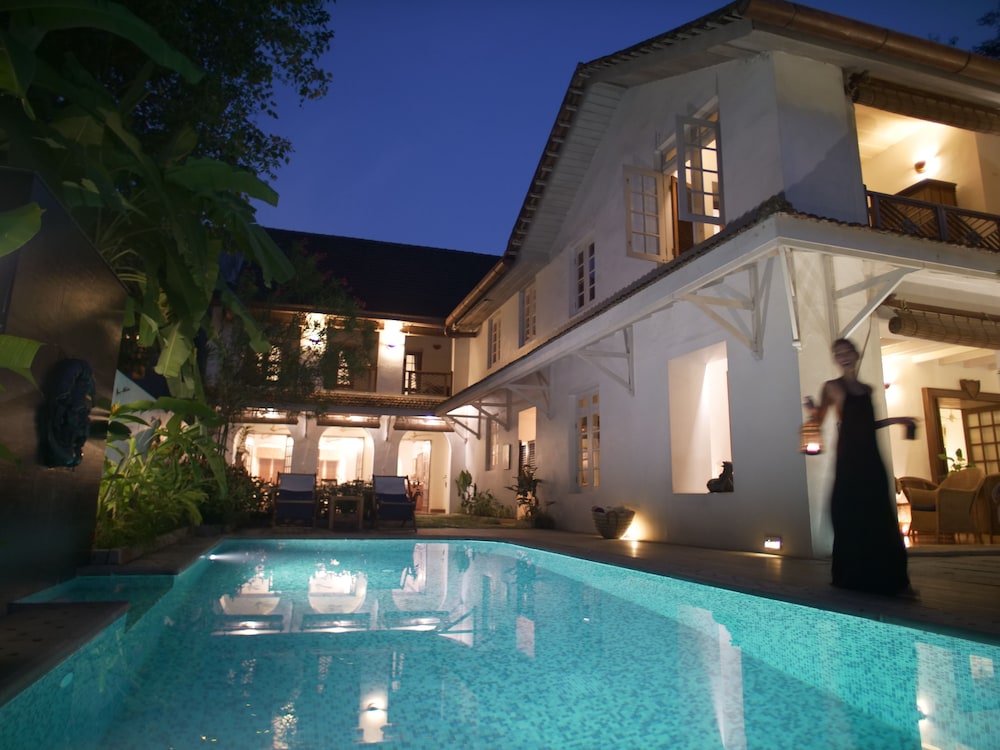

Base yourself in Kovalam for the first night, then move to Poovar or back to Thiruvananthapuram, where Thiruvananthapuram Central station and the airport make bike transport straightforward. November to February is the window: dry, warm rather than hot, with sea breezes that make the return leg easier than the outward one. Avoid the June to August monsoon, when laterite side roads turn greasy and the coastal wind brings sideways rain. I would book two nights in Kovalam rather than one — the lighthouse beach area has enough guesthouses and homestays within walking distance of the sand that you can leave the bike locked and walk to dinner.
Ferries carry bicycles across several backwater crossings for a small fare, which lets you build loops rather than out-and-back rides. Ask at the jetty the day before, as not every boat takes bikes. Stay in Alappuzha town near the boat jetty rather than out on an island resort, so you can start early before the heat. December to February is ideal; March gets humid by mid-morning. Skip the houseboat if you plan to ride — you will spend the day on deck rather than in the saddle, and the two do not combine well on a short trip.
Thrissur, an hour or so north by train, offers a different ride: quiet lanes through the paddy country around Cherpu and Triprayar, with the Athirappilly road climbing east if you want a longer day. Both towns have station access and reasonable hotel stock near the centre. Ride early, finish by eleven. Pre-monsoon heat in April and May is punishing, and the northeast monsoon in October and November brings short heavy afternoon showers. I would book in Palakkad for two nights and take the train to Thrissur for a day rather than split the stay.
Distances between the main bases are modest. Thiruvananthapuram to Alappuzha is around 150 kilometres by road, three hours by train; Alappuzha to Thrissur is roughly 100 kilometres, about an hour and a half by rail. Choose hotels within a kilometre of the station or jetty so you are not riding loaded through traffic at the end of a day. For a first cycling trip, I would book three nights in Alappuzha and two in Kovalam, using trains between them, and leave Palakkad for a second visit when you want hills.
What is the best month to cycle in Kerala?
December to February gives dry, relatively cool weather along the coast and in the backwaters. March is still workable if you ride early. Avoid June to August, when monsoon rain makes laterite lanes slippery and visibility poor.
Are Kerala's roads safe for cyclists?
Main highways carry fast buses and are best avoided. Village lanes and bund roads are quiet and pleasant. Ride early, use lights, and expect to share narrow roads with auto-rickshaws and two-wheelers.
Can I take my bicycle on Kerala trains?
Yes, on most long-distance services, carried as luggage in the guard's van for a modest charge. Arrive at the station well before departure and remove pedals or turn handlebars if space is tight.
Where can I rent a bicycle in Kerala?
Cycle shops in Thiruvananthapuram, Kochi and Alappuzha rent mountain bikes and hybrids by the day. Book ahead in season, and check brakes and tyres before you pay.
How far is the ride from Kovalam to Poovar?
About 18 kilometres along the coastal road through Vizhinjam and Adimalathura. Mostly flat with one short climb near the harbour, and light traffic outside school hours.
Do backwater ferries take bicycles?
Many do for a small fare, but not all. Ask at the jetty the day before and be prepared to lift the bike on and off. Ferries let you build loops instead of retracing your route.
Which town is best as a cycling base in Kerala?
Alappuzha for flat canal riding, Kovalam or Thiruvananthapuram for the coast, Palakkad for rolling terrain near the hills. Book near the jetty or station to avoid riding loaded through town.
What should I pack for a cycling trip in Kerala?
Two spare tubes in your wheel size, a pump, a rear light and a bell. Light rain jacket for October and November. Sun protection matters year-round, even under cloud.