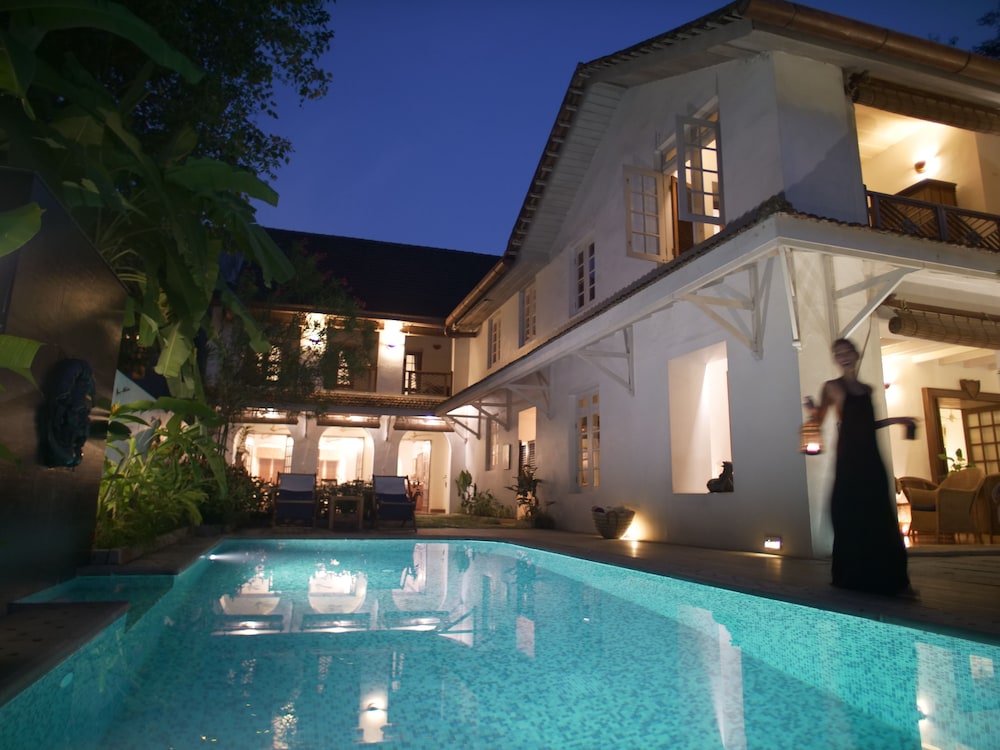

Most licensed centres begin with a physician consultation, not a massage. Expect 30 to 45 minutes of questions about sleep, digestion, appetite and routine, a pulse reading, and a written schedule for the week. Day one is usually deliberately light — often just an oil application or a steam session — because practitioners want to see how you respond before building intensity. Bring loose cotton clothing, a spare set for after treatments, and your own slippers; oils stain and the corridors between treatment rooms are often tiled and cool.
Day two often adds abhyanga, the full-body oil massage performed by two therapists working in synchrony, followed by steam. Treatments typically run 60 to 90 minutes and are scheduled in the morning, sometimes with a second shorter session late afternoon. Between them you rest. This is the part first-timers underestimate: the schedule is not packed, and the gaps are the treatment. Most centres ask you to avoid screens and long outings for the first 48 hours while your body adjusts, and to drink warm water rather than chilled.
A typical seven-night programme settles into a pattern: consultation on arrival, then a rotating mix of abhyanga, shirodhara (warm oil poured in a slow stream across the forehead), pizhichil and herbal steam, with one rest day roughly mid-week and a closing review before you leave. Shirodhara is the treatment most travellers specifically book for, and most centres schedule it later in the week rather than on day one. Mornings start early — 6.30am yoga or a short walk is common — and dinner is early, often by 7.30pm, so the day closes sooner than a normal holiday.
Food follows the treatment plan, not the menu. Expect vegetarian, largely warm and lightly seasoned meals built around rice, dal, vegetables, ghee and buttermilk, served at fixed times in a dining room rather than à la carte. Many centres ask guests to skip caffeine, alcohol and raw salads for the week; a few will allow black coffee at breakfast. Portions are not tiny, but the food is deliberately plain, and most people find they sleep better by day three. If you have dietary needs, say so at booking, not on arrival — kitchens here plan a day ahead.
For a first retreat, the stretch between Thiruvananthapuram and Kovalam in the south is the easiest introduction — the airport is close, the coast is walkable, and there are enough established centres that you can compare. The backwater belt around Alleppey and Kumarakom suits people who want water views and a slower, more remote week; allow two to three hours by road from Kochi airport. The highland edge near Munnar and Wayanad runs cooler and quieter, but treatment centres there are fewer and you will rely on the property for everything.
A common and sensible plan is to fly into Thiruvananthapuram, take a licensed centre near Kovalam for seven nights, then finish with two or three nights in the city or in Thrissur to see something beyond the treatment room. Indian Railways connects Thiruvananthapuram, Thrissur and Palakkad well, and drivers are easy to arrange. Allow a 45 to 75 minute transfer from the airport to most Kovalam properties, and add a buffer day before your return flight — some treatments leave you drowsy, and you do not want to rush a checkout.
Bands matter more than exact figures, which vary by property and season. A shared or simple room with a basic seven-night programme sits at the lower end; a private cottage with a dedicated physician and a longer daily treatment sits considerably higher. Peak season runs roughly from November to February, when the weather is dry and rates climb; monsoon months, June to August, are traditional for Ayurveda and many centres discount heavily, though humidity is high. September and March are the value windows — still comfortable, noticeably cheaper.
Book the physician consultation and treatment plan in writing before you pay, and confirm whether medicines and oils are included or billed separately. Skip centres that promise a diagnosis in ten minutes, package ten treatments a day, or sell the same programme to everyone regardless of consultation; that is not how this is practised. If you want a hotel rather than a full retreat, a hotel with a licensed spa nearby works well — you get standard rooms and breakfast and still attend a real centre daily. Check demand in Thiruvananthapuram, Thrissur and Palakkad early, as those are the cities travellers are searching most right now.
Do I need to be flexible or vegetarian to do an Ayurveda week?
Most programmes are vegetarian and many ask you to skip alcohol and caffeine for the week. Say yes to the diet even if you eat meat normally — the food is part of the treatment, and kitchens plan ahead. If you have medical or dietary restrictions, mention them at booking.
How many treatments will I actually get in seven nights?
Usually one main treatment a day, roughly 60 to 90 minutes, with a consultation at the start, a review at the end and one rest day mid-week. Some centres add a short second session. Do not expect a packed schedule — the gaps between treatments are deliberate and are part of the week.
When is the best time to book a Kerala Ayurveda stay?
November to February gives dry, comfortable weather and the highest rates. Monsoon, June to August, is traditional for treatment and much cheaper, though humid. September and March are the sweet spots for value and comfort. Book six to eight weeks ahead for peak season.
Is a retreat near Kovalam better than one in the backwaters?
For a first visit, yes. Kovalam is close to Thiruvananthapuram airport and you can compare several centres easily. The Alleppey and Kumarakom backwater belt is quieter and prettier but more isolated, with fewer centres and longer transfers — typically two to three hours from Kochi airport.
Can I stay in a normal hotel and just visit a centre daily?
Yes, and it is a good compromise if you want standard rooms and breakfast. Choose a hotel in Thiruvananthapuram or Thrissur within easy reach of a licensed centre, and book your treatments directly. You lose the all-day quiet of a residential retreat but gain flexibility.
What should I pack for a week of treatments?
Loose cotton clothing you do not mind staining, two or three changes a day, your own slippers and a warm layer for early mornings. Oils mark fabric, and treatment rooms and corridors are tiled. Bring less than you think — most days involve very little moving about.
Is there anything I should skip?
Skip centres that promise a diagnosis in ten minutes, schedule ten treatments a day, or sell an identical package to everyone without a consultation. Also skip booking a flight home the morning after your last treatment — leave a buffer day, as some sessions leave you drowsy.